

Sapphire Glass
Micro-groove Grinding Technology of Sapphire Glass
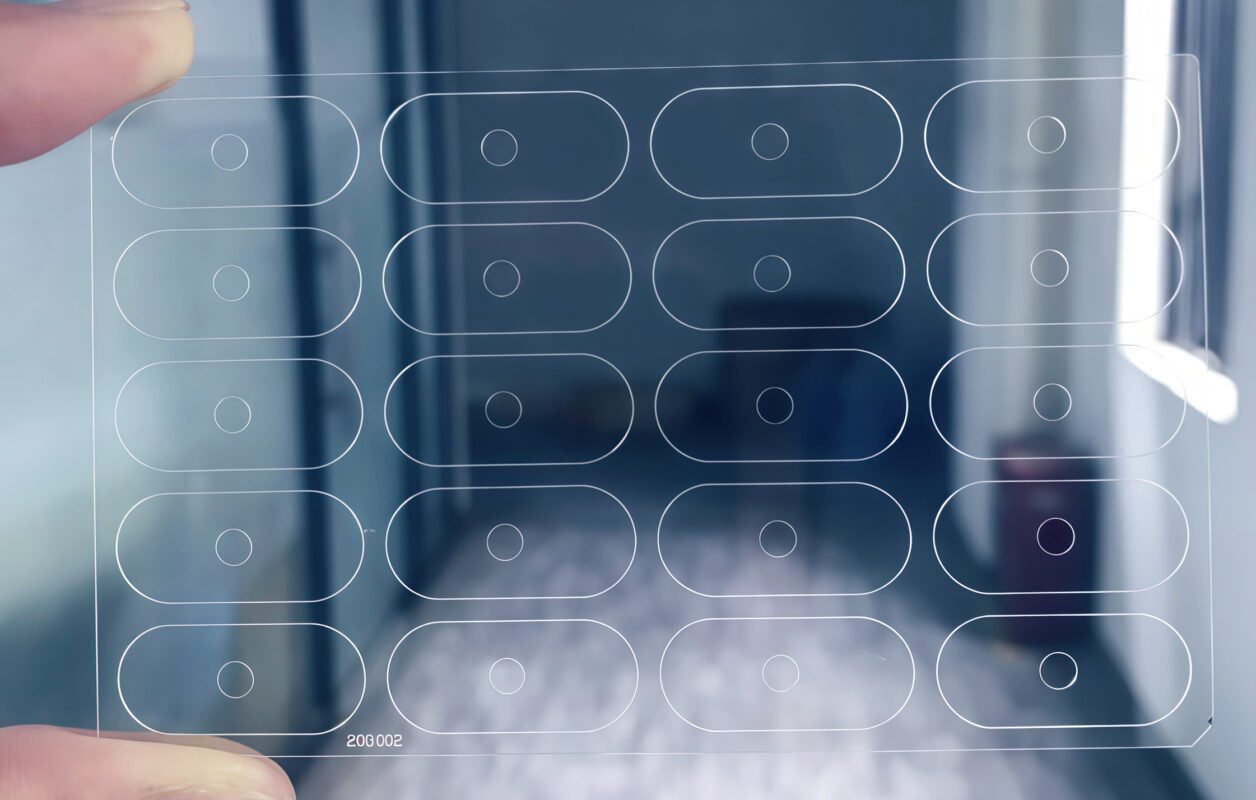
The traditional grinding and polishing approaches are not applicable to sapphire components featuring complex curved surfaces and grooves, and it is challenging to attain the desired processing outcome using these conventional methods. Consequently, the micro-groove grinding technology emerged. This technology uses a small-diameter diamond grinding head (the diameter typically ranges from 0.5 to 1mm), and by controlling the grinding depth and speed via the grinding head, micro-groove grinding or complex surface shaping is accomplished on the sapphire surface.
- Selection of grinding head
The crux of micro-groove grinding lies in selecting a suitable diamond grinding head. The diameter, shape, hardness, and particle size of the grinding head will all impact the machining effect. Due to the high hardness of sapphire, the grinding head needs to possess adequate strength and wear resistance to guarantee the stability and accuracy of the processing procedure.
- Controlof grinding parameter
It is essential to control the grinding depth, feed speed, spindle speed and other parameters to ensure optimal processing quality and efficiency. Given the brittleness of sapphire material, it is crucial to maintain strict control over the grinding depth within a narrow range (typically 10-20μm) to prevent the formation of cracks or crushing. At the same time, reasonable feed speed and spindle speed can ensure the smooth processing process, improve the machining accuracy and surface quality.
- Use of cooling liquid
It is of the utmost importance to use coolant during the grinding process. The use of coolant can effectively reduce the temperature of the grinding area, mitigate the impact of thermal stress on the sapphire material, and prevent deformation or cracking due to overheating. Furthermore, the coolant can also serve the additional functions of cleaning and lubrication, thereby improving grinding efficiency and processing quality.
The key benefit of micro-groove grinding technology is its ability to process sapphire parts with intricate surfaces and grooves with exceptional precision, meeting the demands of high-precision sapphire components in aerospace and other sectors. However, due to the limited grinding depth resulting from the relatively small diameter of the diamond grinding head, as well as the reduced strength and impact resistance, it is imperative to strictly monitor and control the grinding parameters to ensure the stability and safety of processing.
As the primary method of processing sapphire glass surfaces, micro-groove grinding offers distinctive advantages and a wide range of applications. The advancement of science and technology and the ongoing optimization of processes will inevitably lead to an increase in the standards required for sapphire surface processing technology. It is also anticipated that micro-groove grinding technology will be applied and promoted across a wider range of fields.